
 German
 繁体中文
繁体中文 Japanese
Custom Cemented Carbide Components Components
Custom cemented carbide and tungsten carbide components including punches, bushings, sleeves, die inserts and wear blocks manufactured to customer drawings.
Send us your drawing, dimensions, operating temperature, load and application requirements. Our team will help evaluate material suitability and provide a quotation for prototype or production quantities.
-
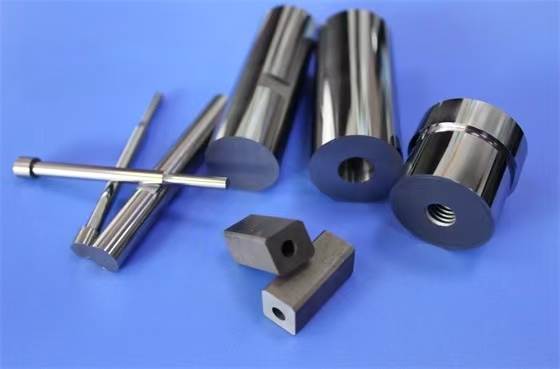 Cemented Carbide Components
Custom Cemented Carbide Precision Components
-
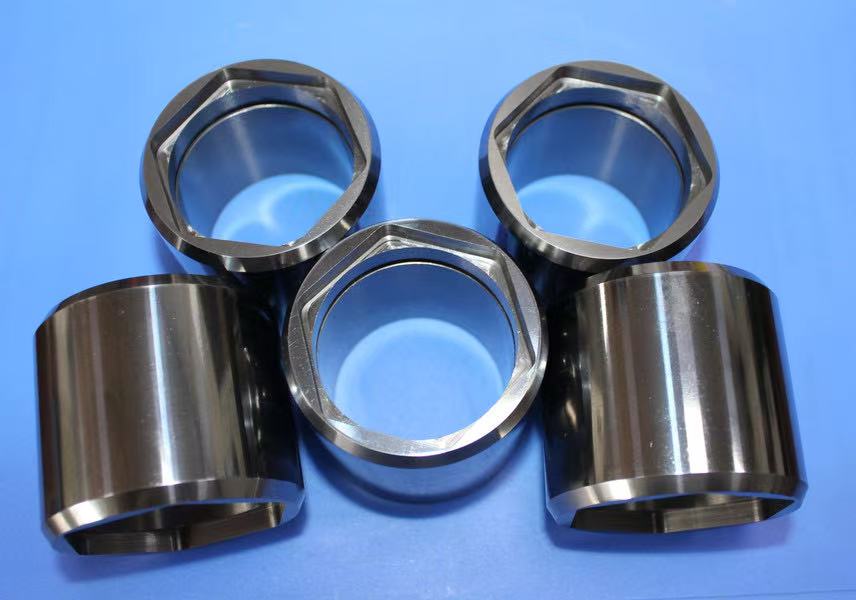 Cemented Carbide Components
Precision Cemented Carbide Bushings and Wear Sleeves
-
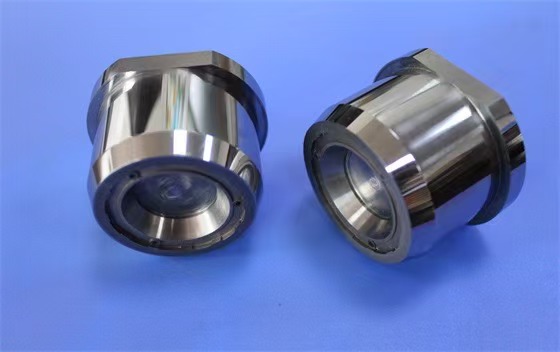 Cemented Carbide Components
Custom Cemented Carbide Cylindrical Die Inserts
-
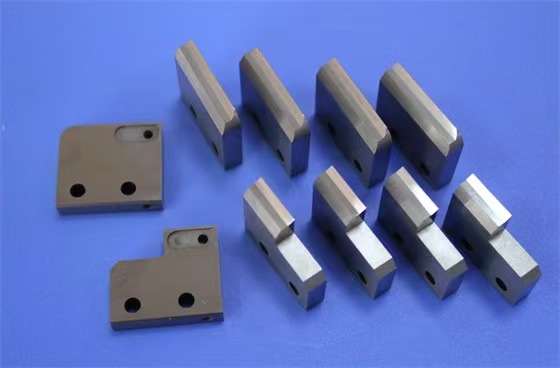 Cemented Carbide Components
Custom Cemented Carbide Wear Blocks and Tool Inserts
-
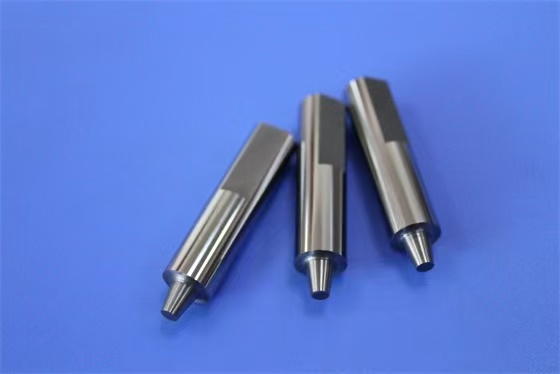 Cemented Carbide Components
Precision Cemented Carbide Punch Pins and Forming Tools
How to Specify Custom Cemented Carbide Components Parts
A useful RFQ should identify the component geometry, critical dimensions, tolerances, surface requirements, operating environment and expected production quantity. Sharing these details helps our engineering team evaluate manufacturability and recommend a practical production route.
- Drawing or 3D model with critical dimensions and datums
- Operating temperature, electrical, chemical and wear conditions
- Required flatness, roundness, surface finish and inspection criteria
- Prototype quantity, annual demand and target delivery schedule
Frequently Asked Questions
Can Cemented Carbide Components components be manufactured from a custom drawing?
Yes. We review drawings and application requirements before confirming material grade, machining allowances, achievable tolerances and the inspection plan.
What information is needed for a quotation?
Please provide a drawing, dimensions, tolerances, quantity and operating conditions. For assemblies, include mating materials, mounting method and the features that are functionally critical.
Can Chengsheng Ceramics support prototypes and production quantities?
We support engineering review, prototype evaluation and repeat production. The recommended process depends on geometry, tolerance requirements, material selection and order volume.