German
 繁体中文
繁体中文 Japanese
Alumina and zirconia are two of the most common oxide ceramics, but they are not interchangeable. Alumina is usually chosen for insulation, hardness, temperature capability and value, while zirconia is selected for toughness, low friction and resistance to crack propagation. The correct decision starts with the component's failure mode.
Mechanical Strength and Toughness
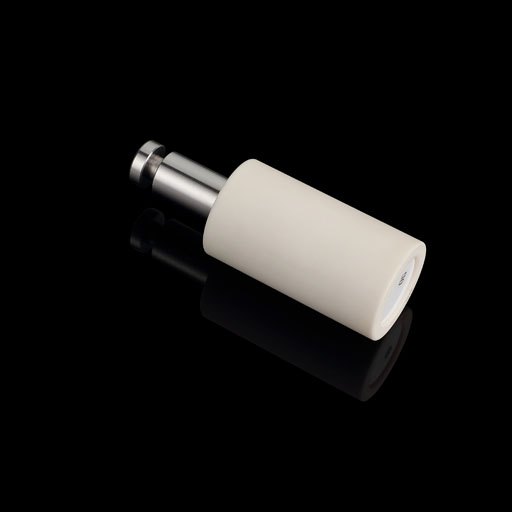
Zirconia is generally tougher than alumina and can tolerate impact, edge loading and local stress concentrations more effectively. This is why zirconia is frequently used for plungers, pins, guides, cutting and wear components with relatively thin or detailed geometry.
Alumina remains very hard and strong under compression, but it is less tolerant of tensile stress and sudden impact. Good ceramic design therefore avoids sharp internal corners, abrupt section changes and uncontrolled assembly loads.
Wear and Friction
Both materials provide strong wear resistance. Zirconia can offer a smooth, low-friction surface and is often preferred for sliding or reciprocating components. Alumina performs well against abrasive wear and is widely used for guides, sleeves, nozzles and insulating wear parts.
Counterface material, lubrication, particle size, contact pressure and surface finish may matter more than a single hardness value. A polished surface is not automatically ideal for every sealing or lubricated interface, so the required roughness should be specified functionally.
Temperature and Thermal Behavior
Alumina is usually the stronger choice for continuous high-temperature electrical and structural service. Zirconia has lower thermal conductivity and a higher coefficient of thermal expansion. It can tolerate some thermal gradients, but long-term temperature and the stabilization system must be considered.
For rapid heat removal, neither material matches specialized high-conductivity ceramics such as aluminum nitride or silicon carbide. For thermal insulation, however, zirconia's low conductivity may be advantageous.
Electrical Insulation
Alumina ceramic is widely used as an electrical insulator in feedthroughs, supports, bases and high-voltage equipment. Zirconia can also be electrically insulating, but it is normally chosen for mechanical rather than dielectric reasons.
Chemical and Moisture Exposure
Both materials resist many chemicals, but the actual fluid concentration, temperature and exposure time should be reviewed. Certain zirconia grades can be affected by long-term hot-water or steam exposure. Alumina purity and grain structure also influence corrosion behavior.
Cost and Manufacturability
Alumina is generally more economical and available in a broad range of purities and manufacturing processes. Zirconia material and finishing costs are often higher, but its toughness may permit smaller features or longer service life that justify the price.
Final machining after sintering is a major cost driver for both materials. Relaxing non-critical tolerances, identifying functional datum surfaces and avoiding unnecessary deep holes can reduce manufacturing cost.
Quick Selection Guide
- Choose alumina for electrical insulation, high-temperature stability and cost-effective general wear resistance.
- Choose zirconia for plungers, impact-sensitive parts, thin features, smooth sliding surfaces and higher fracture toughness.
- Test the actual material pair when friction, sealing or abrasive slurry determines service life.
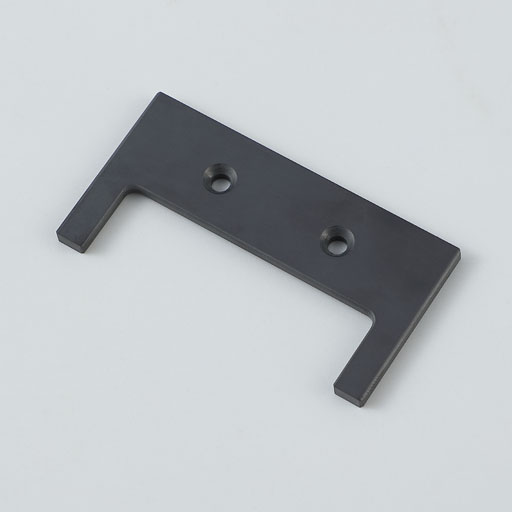
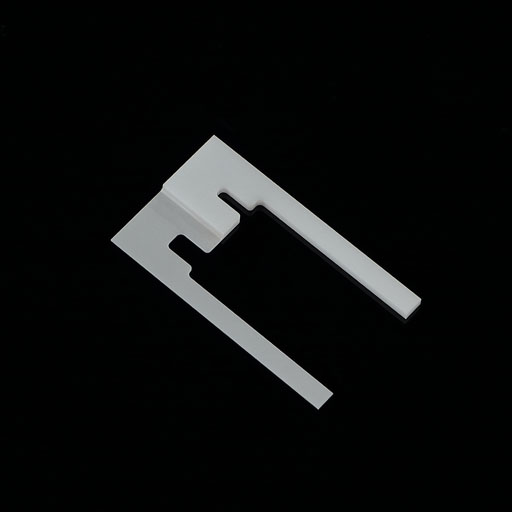
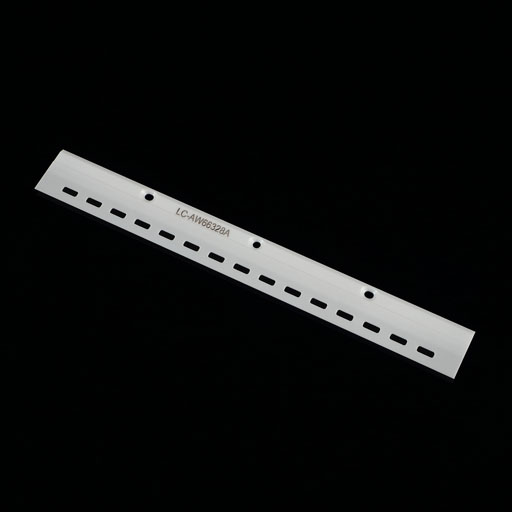
Explore our custom zirconia components and alumina products, or send your drawing for a material and manufacturability review.