German
 繁体中文
繁体中文 Japanese
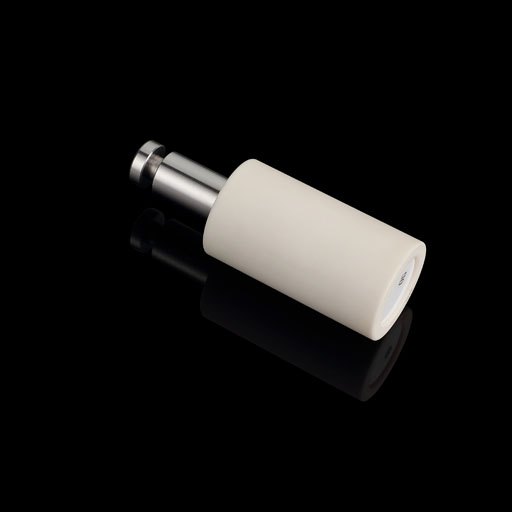
Zirconia ceramic plungers are used in pumps, valves and dosing systems where wear resistance, smooth motion and chemical compatibility are important. Successful performance depends on the complete plunger-and-sleeve system, not the plunger material alone.
Why Zirconia Is Used for Plungers
Zirconia combines high hardness with greater fracture toughness than many conventional ceramics. It can be finished to a smooth surface and retains geometry under repeated sliding contact. These characteristics make it useful for precision reciprocating parts, especially where metal wear or corrosion is a concern.
Clearance and Mating Components
The required clearance depends on fluid viscosity, pressure, temperature, particle content, speed and acceptable leakage. A clearance copied from another pump may not work with a different fluid. The sleeve material and thermal expansion must also be considered.
For replacement parts, a worn sample should not be treated as the original design dimension. Measure the mating component, evaluate wear and provide performance symptoms such as leakage, friction or unstable dosing.
Surface Finish and Geometry
Roundness, straightness, cylindricity and surface finish influence sealing and friction. Specify the functional portion of the plunger separately from drive ends, flats or connection features. A fine finish is valuable on the working diameter but may be unnecessary elsewhere.
Fluid and Cleaning Environment
Provide chemical composition, concentration, temperature, solids content and cleaning method. Hot water or steam exposure should be discussed when choosing the zirconia grade. Seals and other pump materials must be compatible with the same environment.
Mechanical Connection
Ceramic plungers may connect to a metal drive through threads, clamps, bonded joints or mechanical couplings. The connection should minimize tensile stress and accommodate alignment error. Avoid pressing directly on ceramic edges.
RFQ Information
- Plunger and mating-sleeve drawings
- Fluid properties, pressure, speed and stroke
- Working clearance and leakage requirement
- Critical geometry and surface finish
- Cleaning procedure and expected service life
See our custom zirconia ceramic components and alumina vs zirconia guide. Contact us with your pump data for a design review.