German
 繁体中文
繁体中文 Japanese
Ceramic metering pumps and ceramic pump components are used when a process requires repeatable liquid delivery together with wear resistance, chemical compatibility and clean operation. The ceramic material alone does not determine dosing accuracy; plunger diameter, stroke, clearance, valve timing, surface finish and the behavior of the process fluid all contribute.
Why Use Ceramic Pump Components?
Precision ceramics offer hard, smooth working surfaces that resist abrasive particles and many corrosive fluids. In reciprocating and rotary dosing mechanisms, this can reduce dimensional change and help maintain repeatability over long production cycles. Ceramic plungers, sleeves, valve cores and distribution elements are also suitable for processes where metal contamination must be controlled.
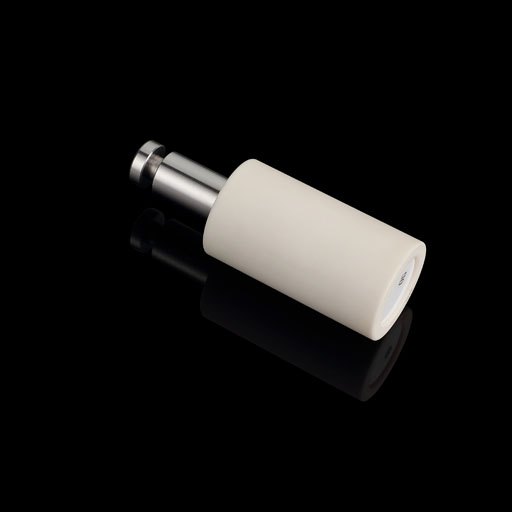
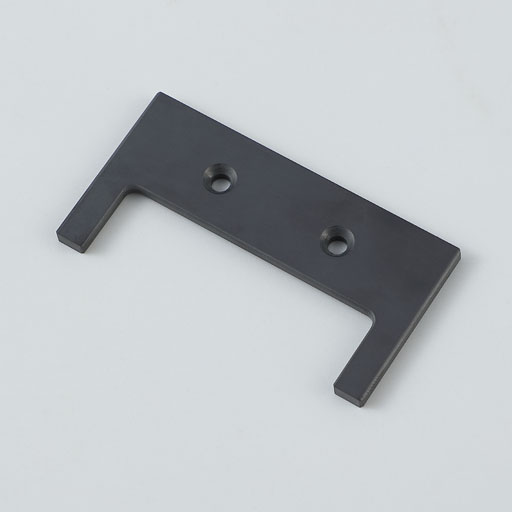
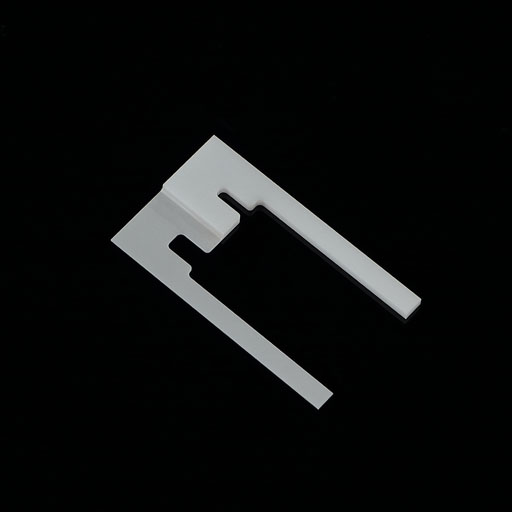
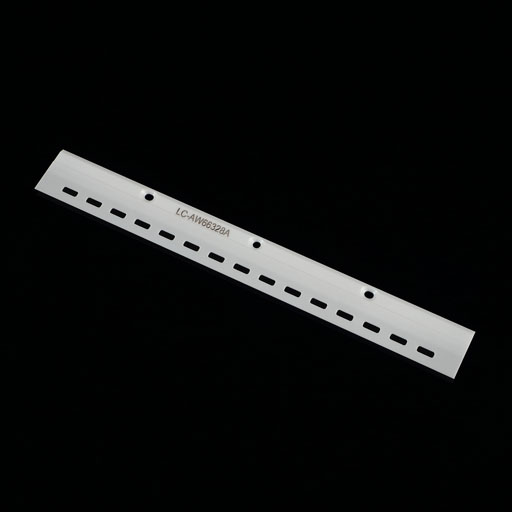
Explore examples of custom ceramic metering-pump components, including plungers, valve blocks, rotary valve parts and ceramic-to-metal assemblies.
Define the Fluid First
The supplier needs more than a fluid name. Provide viscosity range, temperature, particle size, solids content, abrasiveness, chemical concentration and whether the fluid crystallizes or cures when exposed to air. A low-viscosity solvent and a battery slurry require very different clearances and flow paths.
Dosing Volume and Repeatability
Specify target volume per cycle, acceptable tolerance, operating speed and whether the dose is adjustable. Smaller doses generally demand tighter control of clearance, stroke and valve timing. System compliance, bubbles, inlet pressure and tubing can also affect delivered volume even when the pump mechanism is precise.
Plunger and Sleeve Design
Plunger diameter and stroke determine theoretical displacement. Roundness, straightness, surface finish and matched clearance influence leakage and friction. Ceramic plungers are normally designed as part of a mating system rather than as isolated catalogue parts.
For replacement components, send both the worn sample and an assembly drawing when possible. Wear may change the measured size, so copying a used component without understanding the original fit can reproduce the wrong clearance.
Valve and Port Configuration
Rotary or spool valve components coordinate inlet and outlet flow. Port position, edge geometry and alignment affect timing and shear. Fluids containing particles may require larger passages and gentle transitions to reduce clogging or material damage.
Ceramic-to-Metal Connections
Many pump pistons use a ceramic working body with a stainless steel drive coupling. The connection must accommodate assembly force, cyclic loading and differences in thermal expansion. The joint design should avoid concentrating tensile stress in the ceramic.
Cleaning and Maintenance
Consider how the pump will be flushed, disassembled and sterilized. Avoid inaccessible dead spaces when product changeover or hygiene is important. Surface finish, seal material and compatible cleaning chemicals should be specified together.
Metering Pump RFQ Checklist
- Pump drawing, existing model or physical sample
- Target volume per cycle and required repeatability
- Operating speed, pressure and duty cycle
- Fluid viscosity, chemistry, temperature and particle content
- Cleaning or sterilization procedure
- Critical dimensions, surface finish and mating clearance
- Prototype quantity and annual demand
Chengsheng Ceramics supports custom pump components and matched assemblies based on drawings or samples. Send your application data for a manufacturability review and quotation.